Niyansh & The Cot
A rose petal falls through the woven gaps of a cot. Again. And again. A small experiment in gravity begins.
Objects as Co-Learners
Read the full story →
A visual inquiry into children's everyday learning, and an invitation for adults to see learning differently.
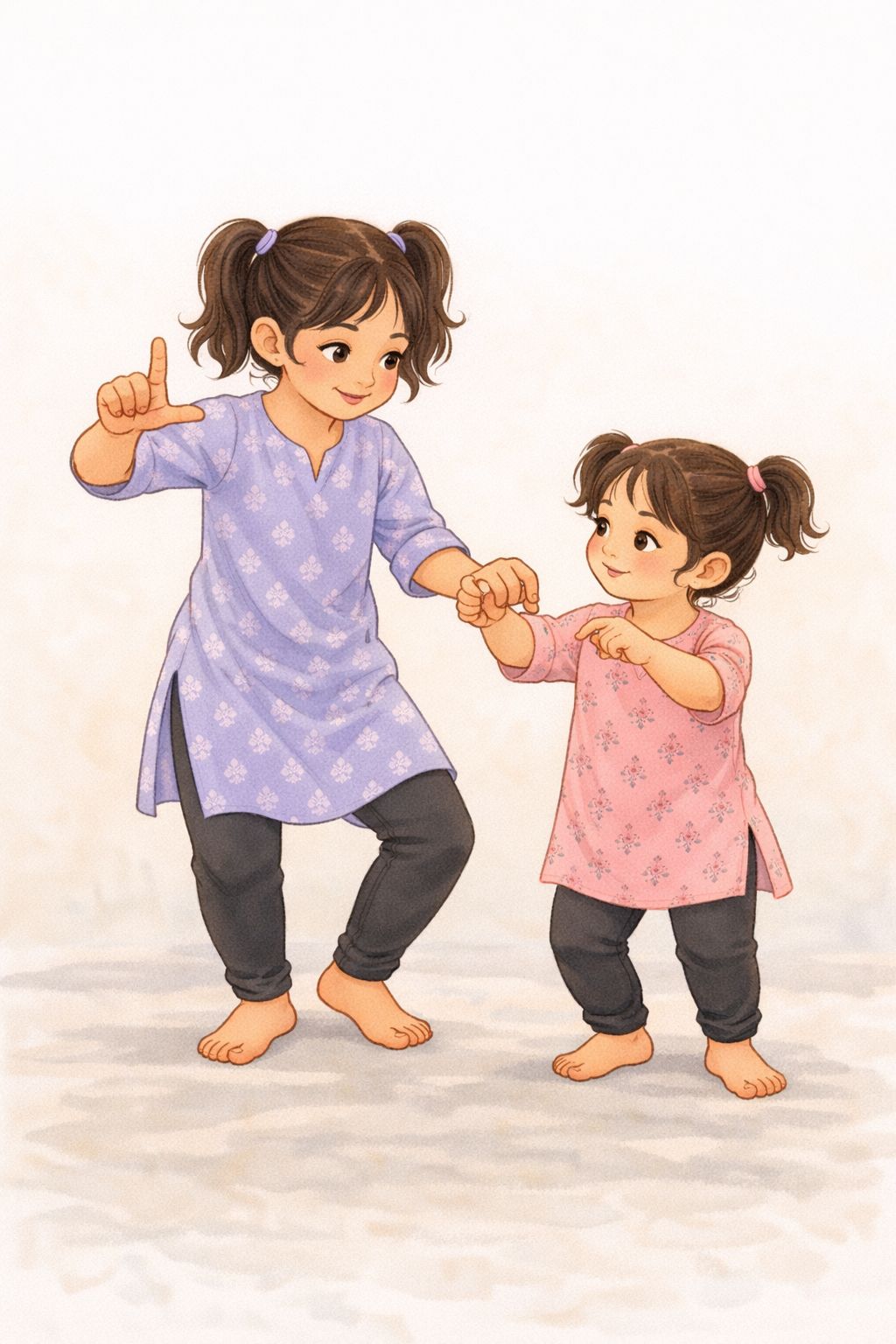
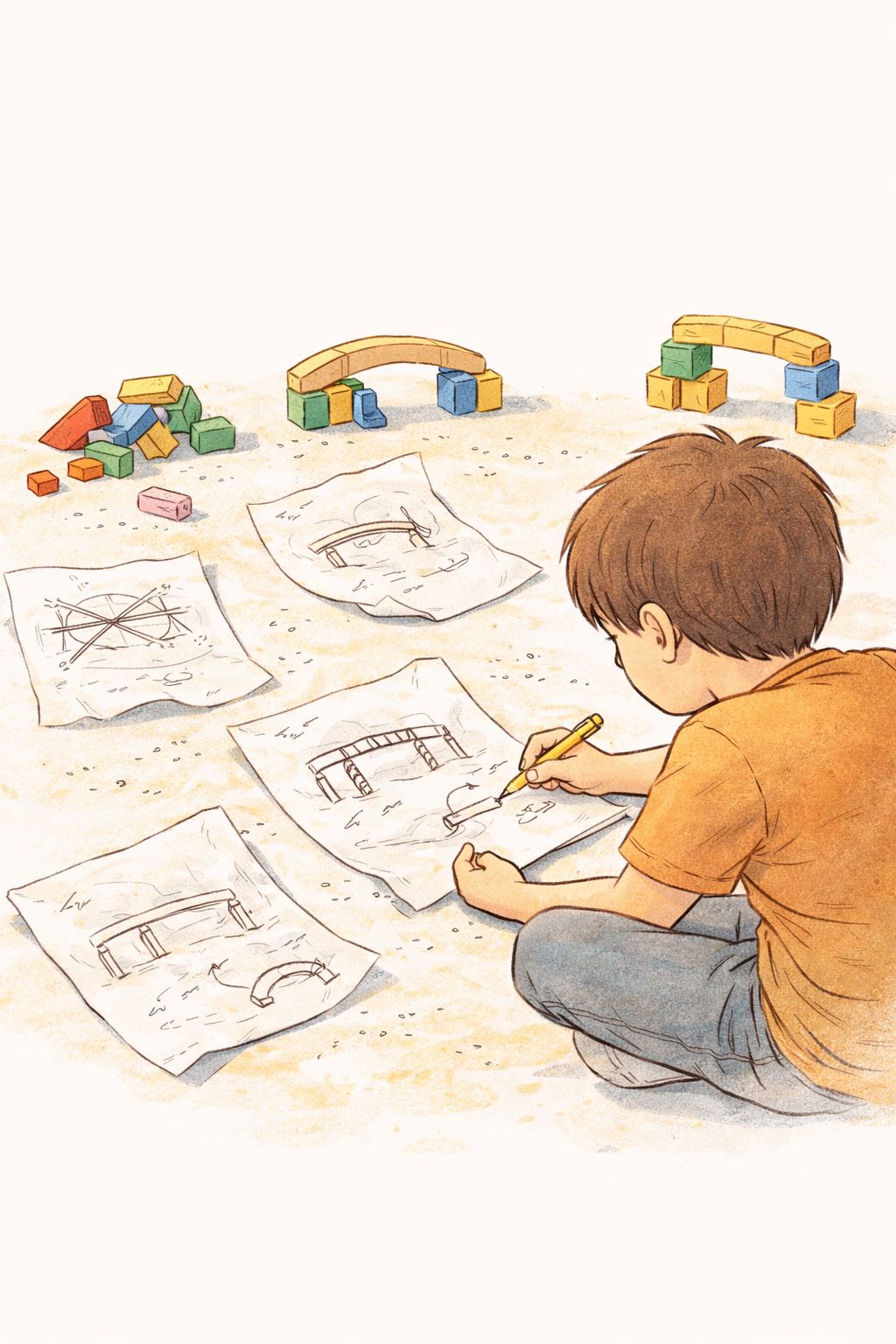
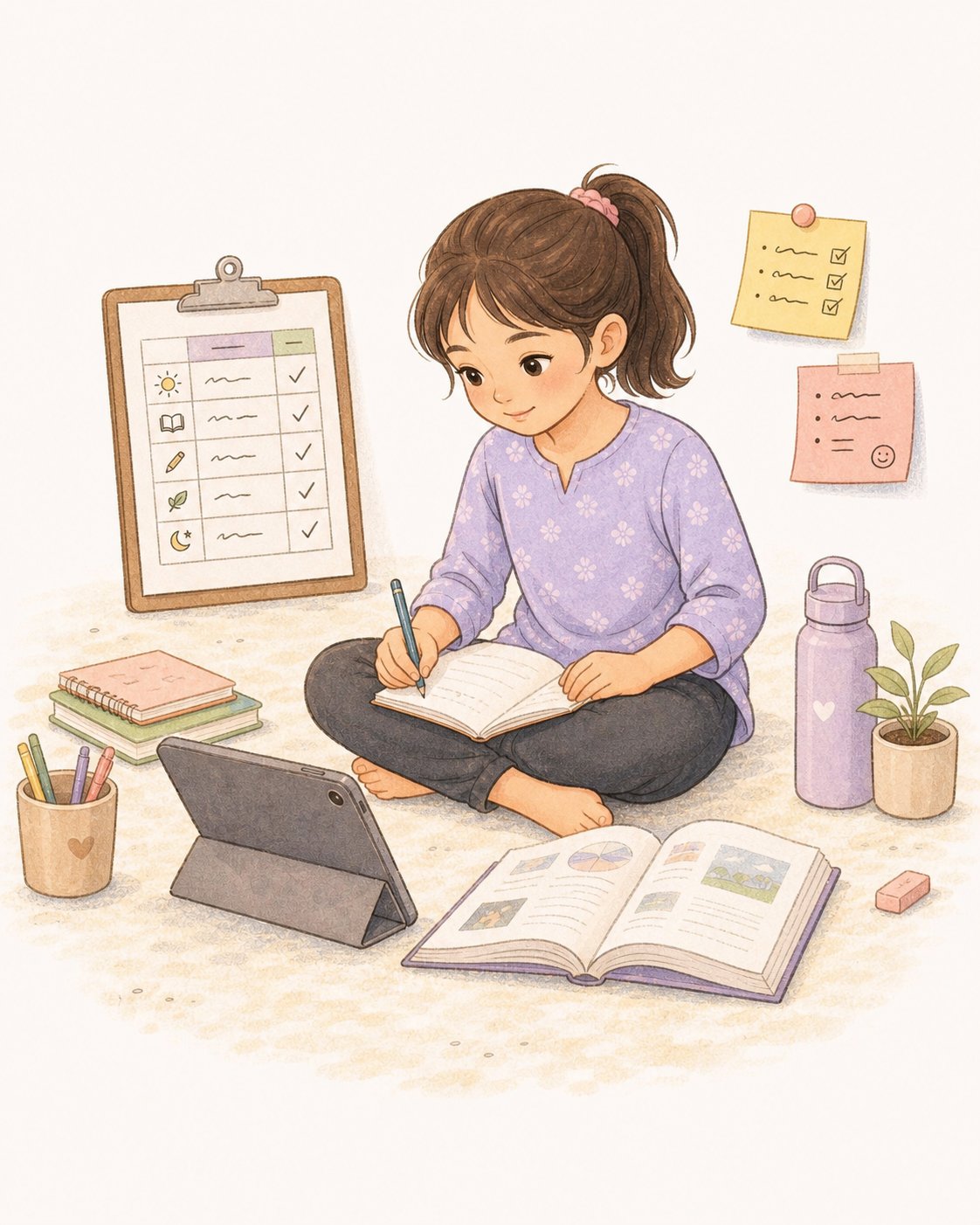
As adults, we often associate learning with teaching. So we step in quickly - to explain, correct, guide, or help. But when we pause and follow a child's action without interrupting, we begin to see learning already unfolding.
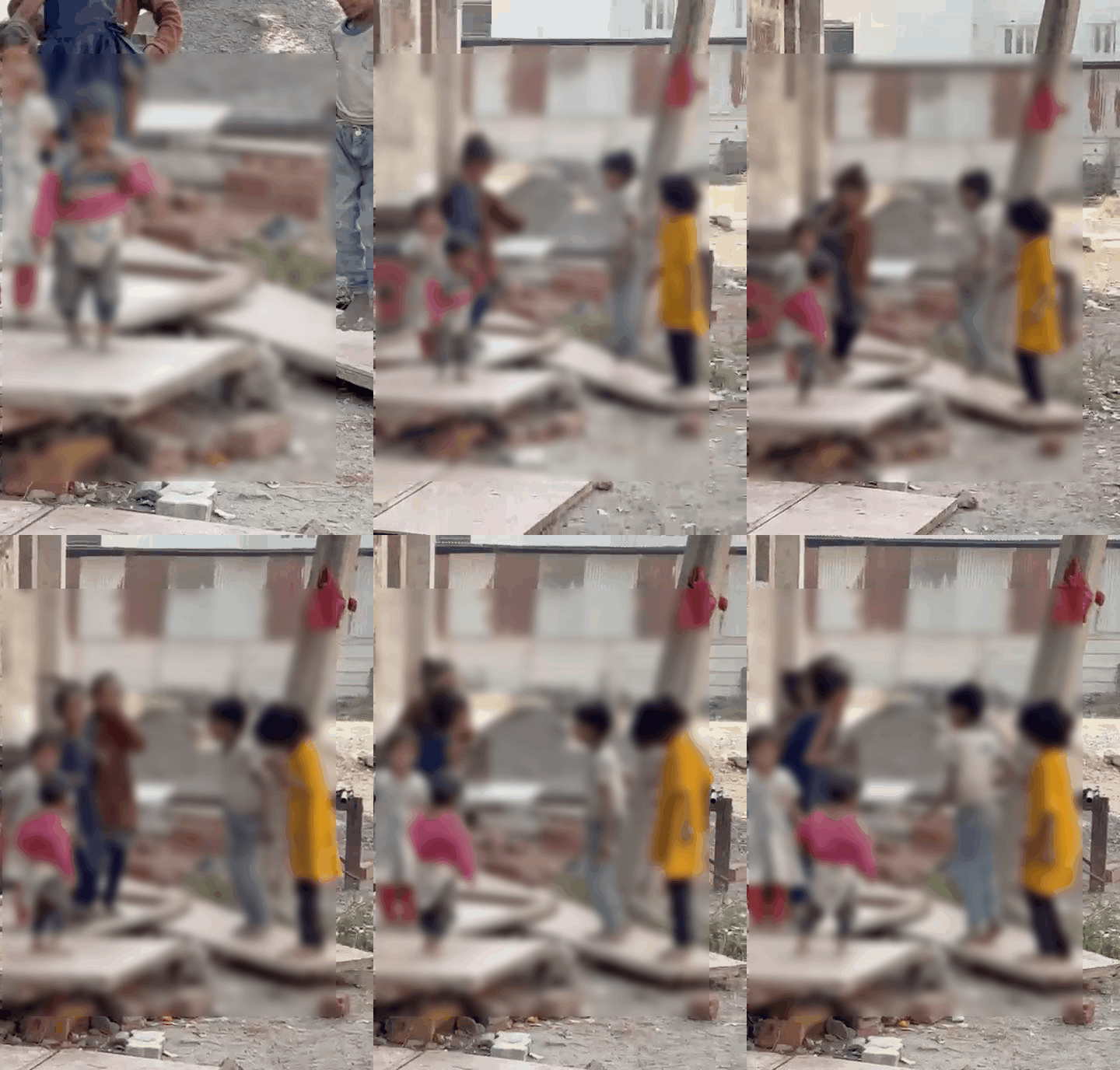
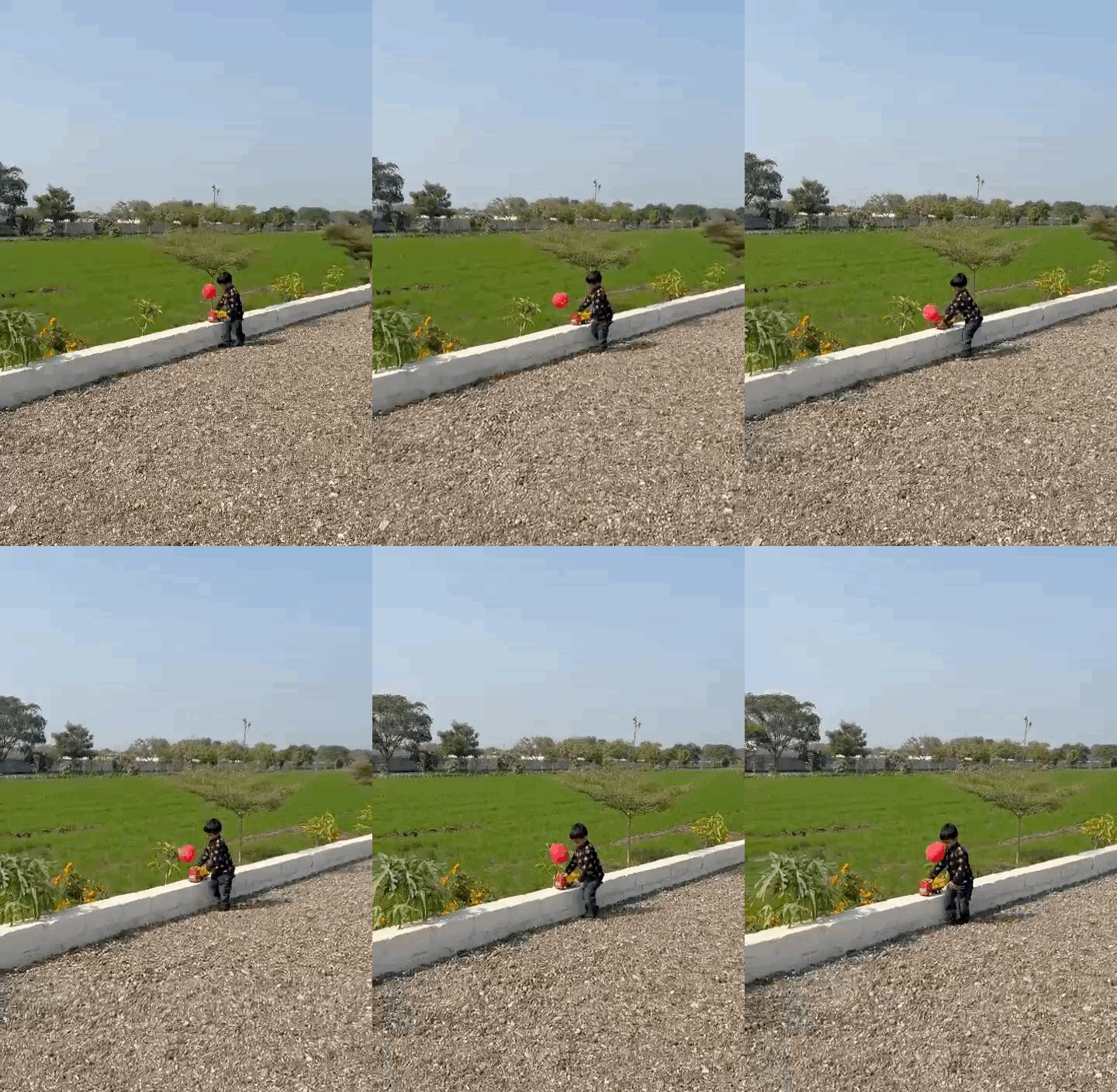
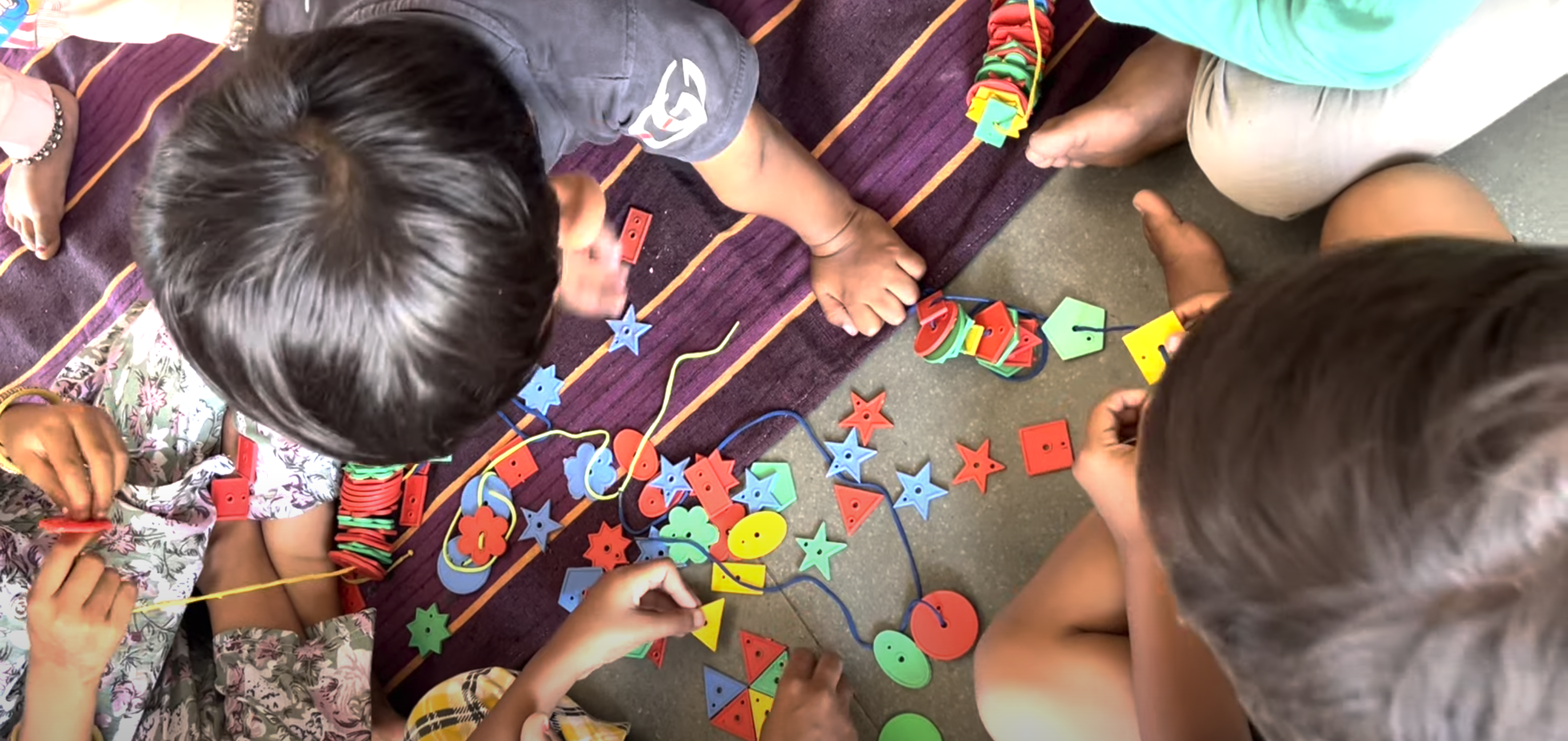
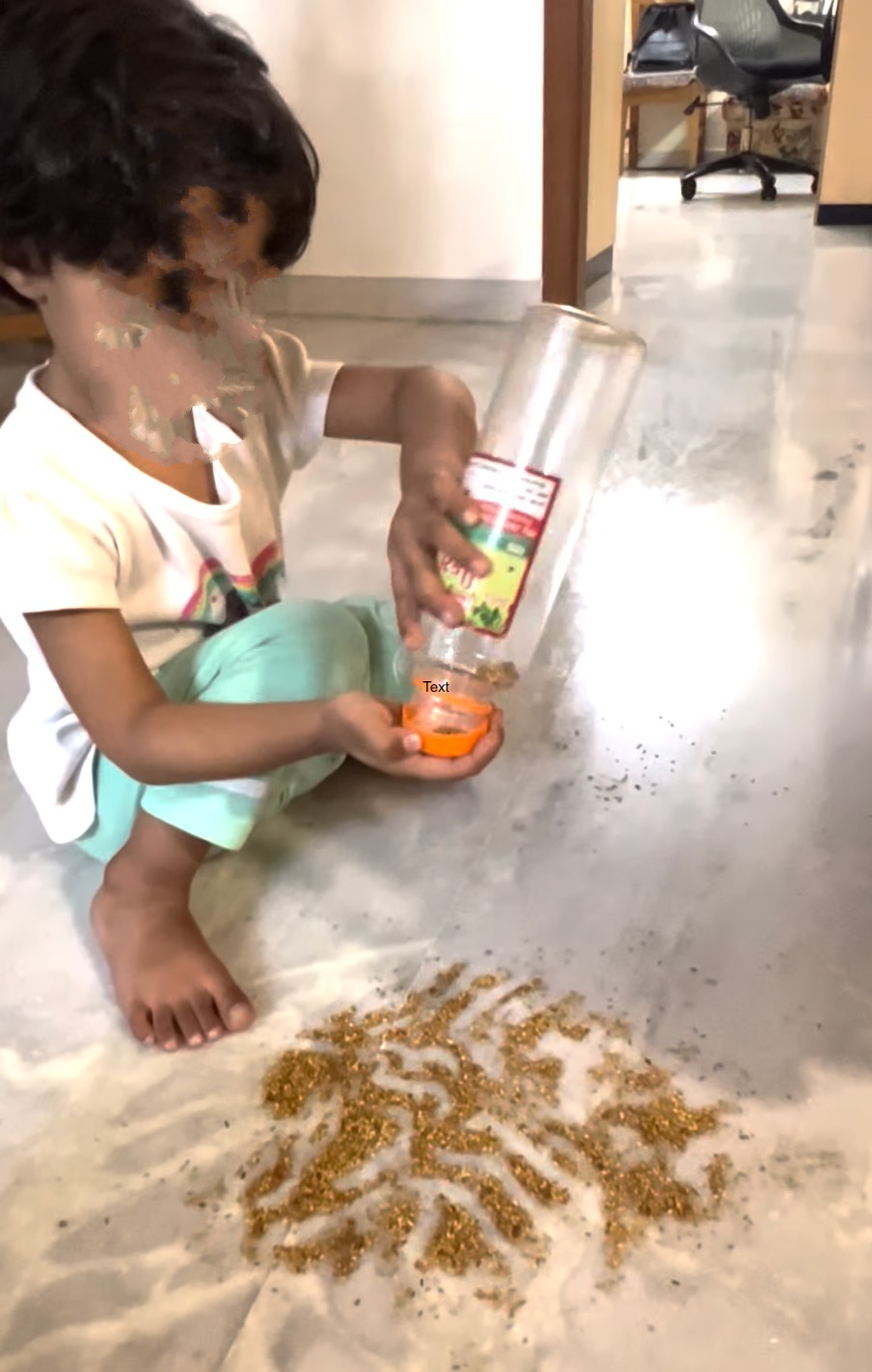
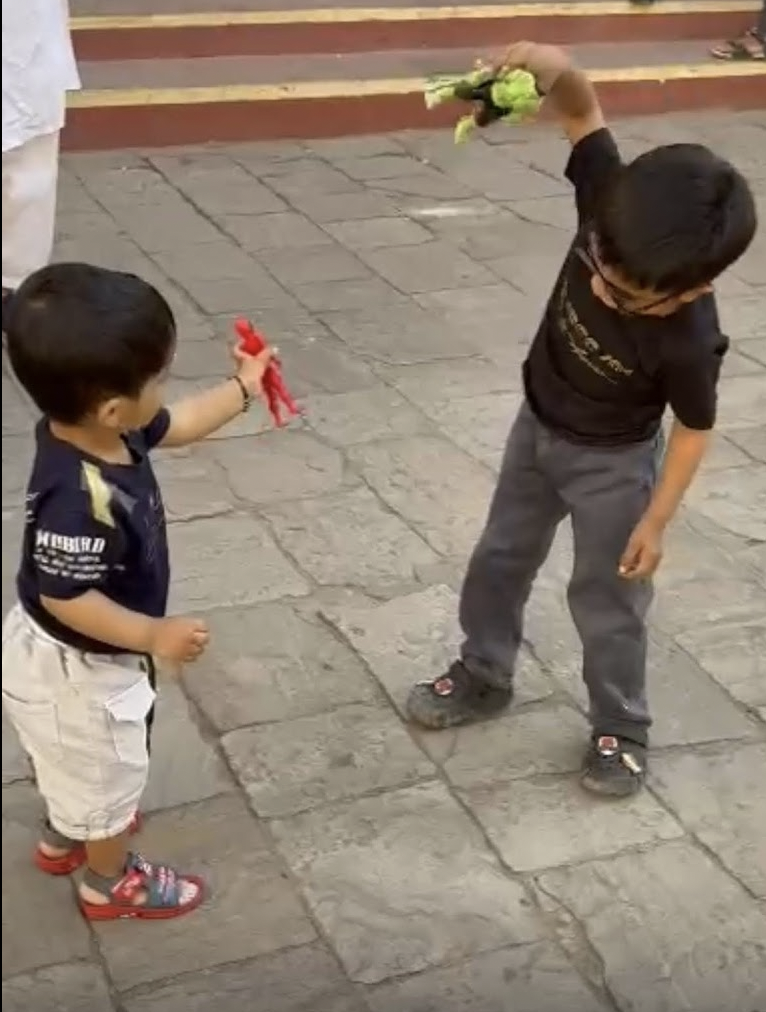
We use photographs, field notes, and essays to stay close to children's everyday actions - the gestures, choices, materials, conversations, and small returns that reveal how learning unfolds.
This is how we begin to build a language for seeing children's learning more carefully.

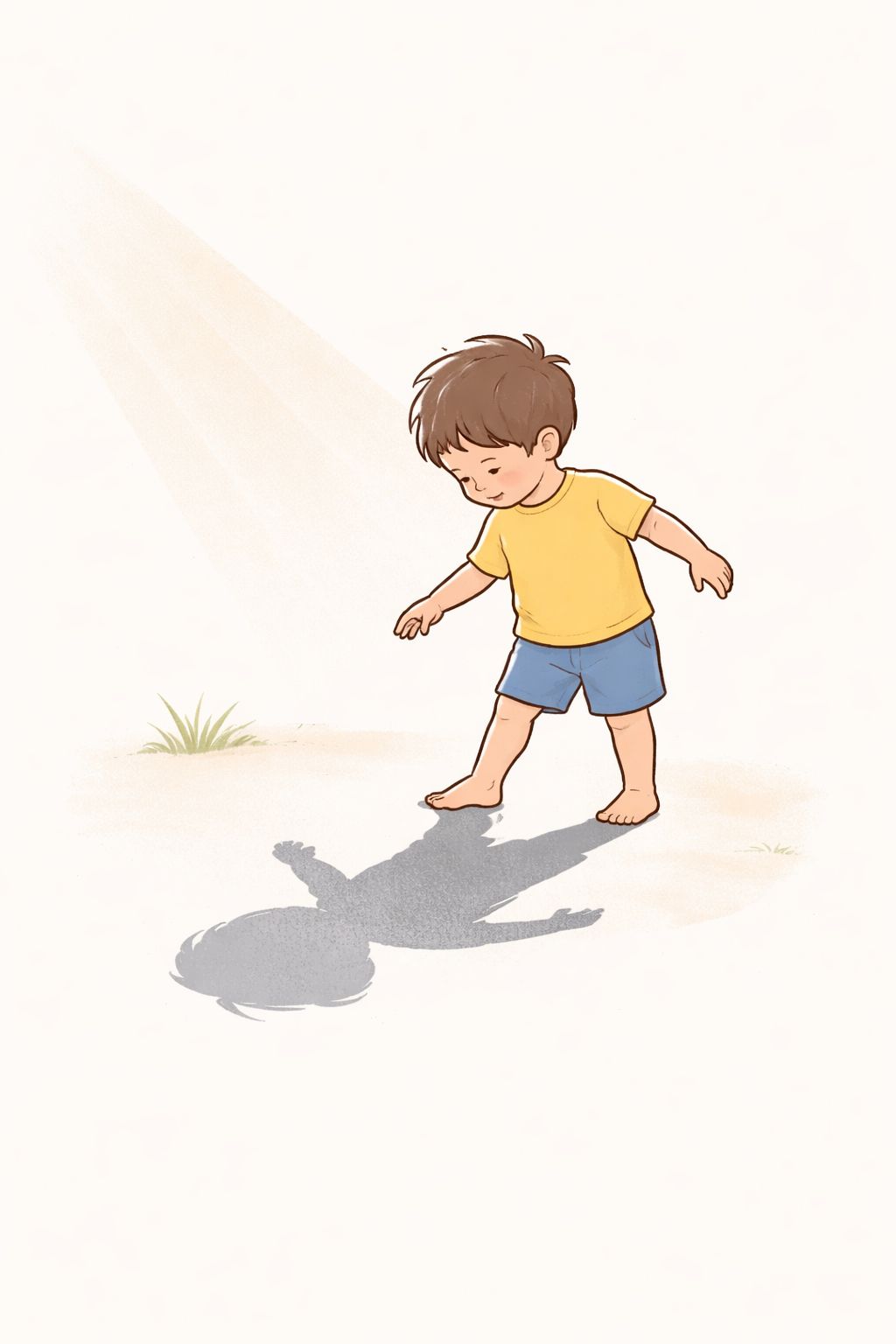
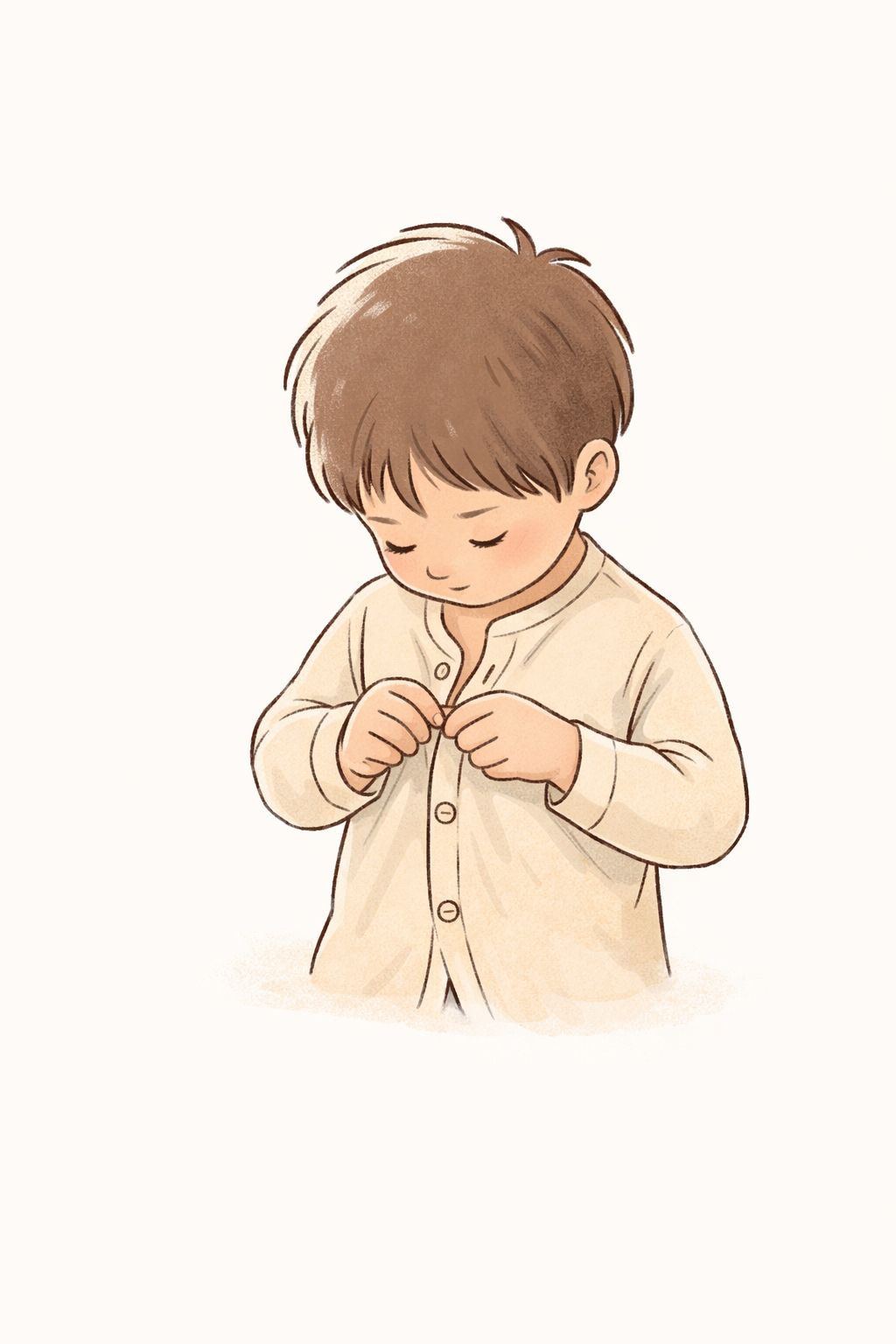
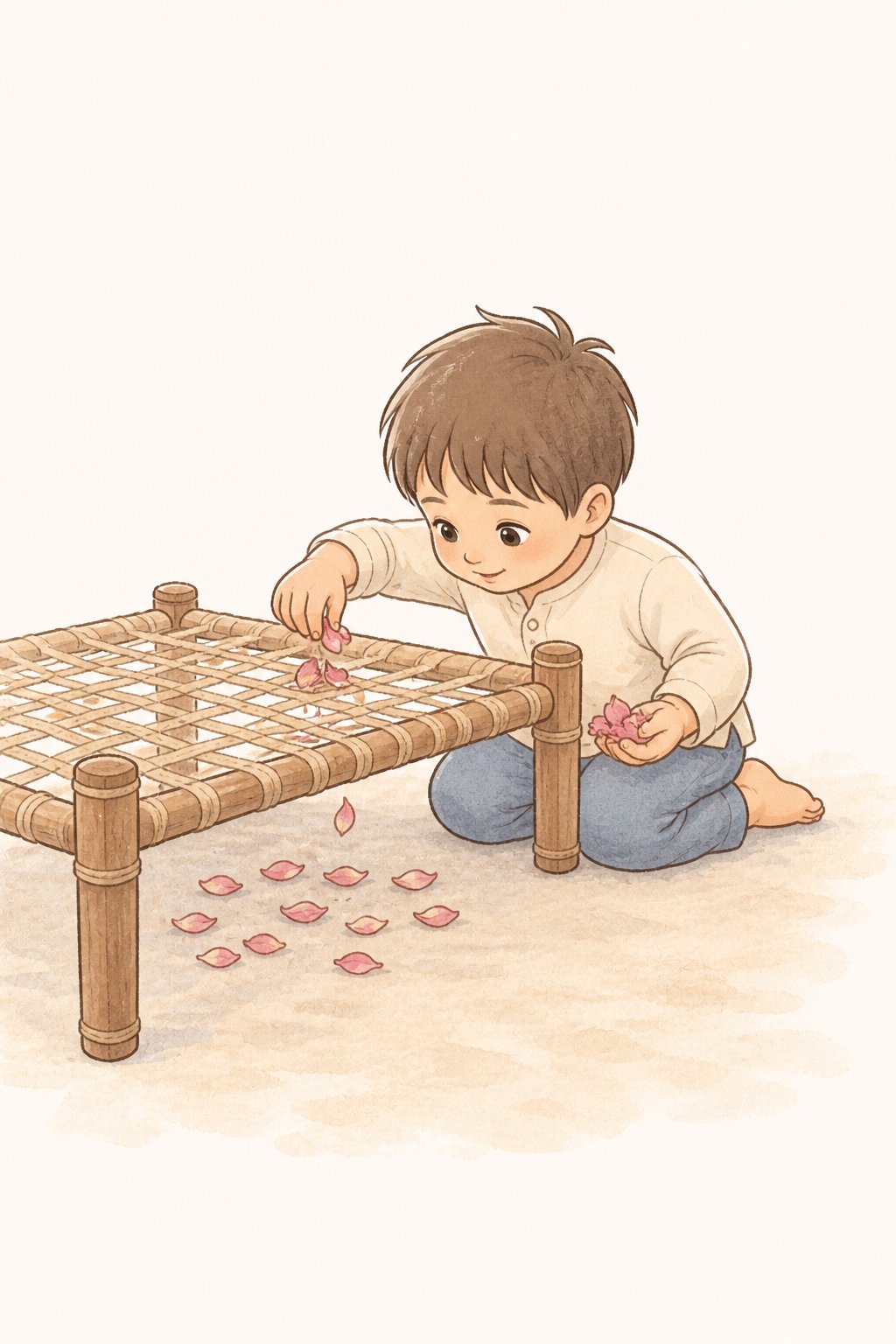
A rose petal falls through the woven gaps of a cot. Again. And again. A small experiment in gravity begins.
Objects as Co-Learners
Read the full story →
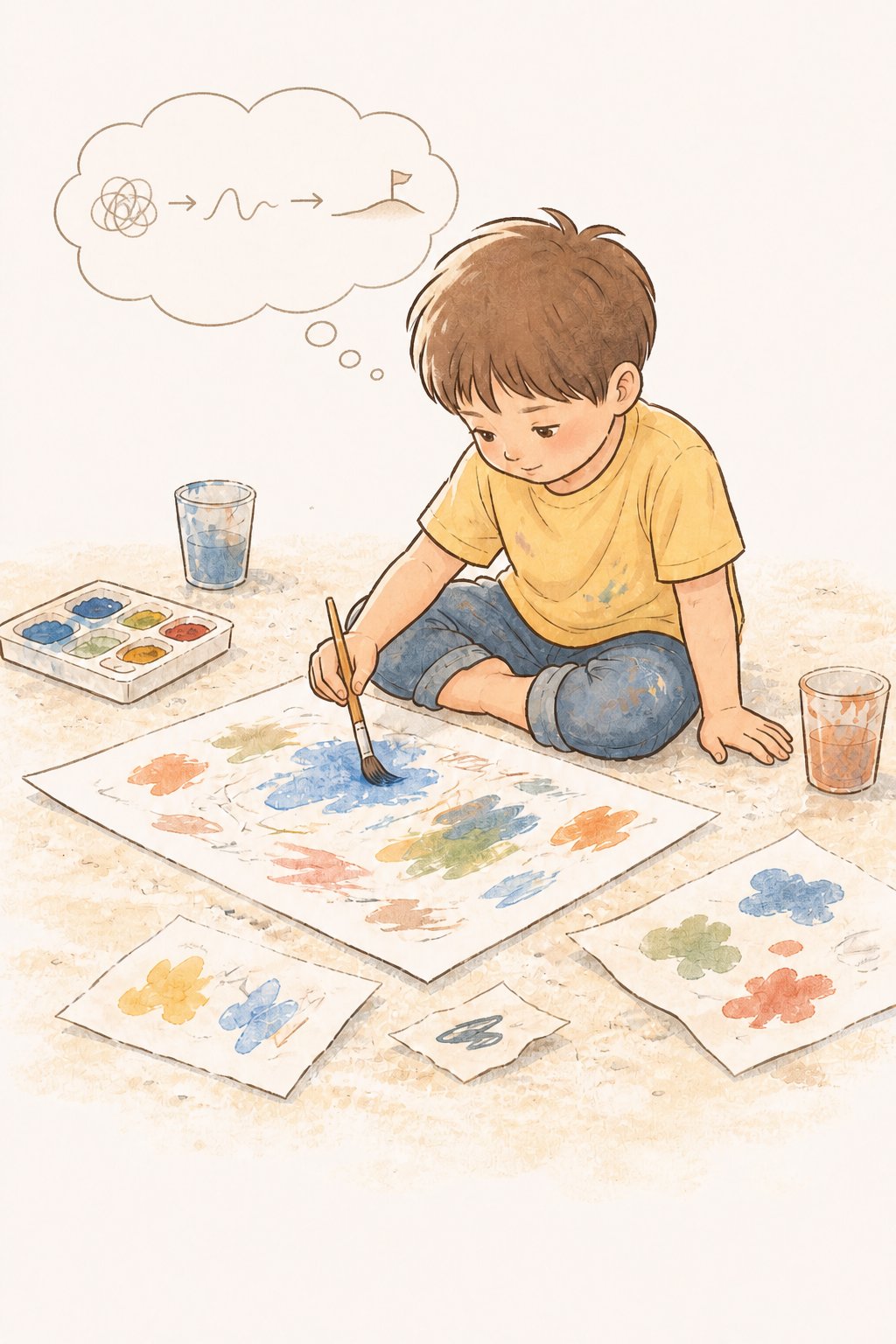
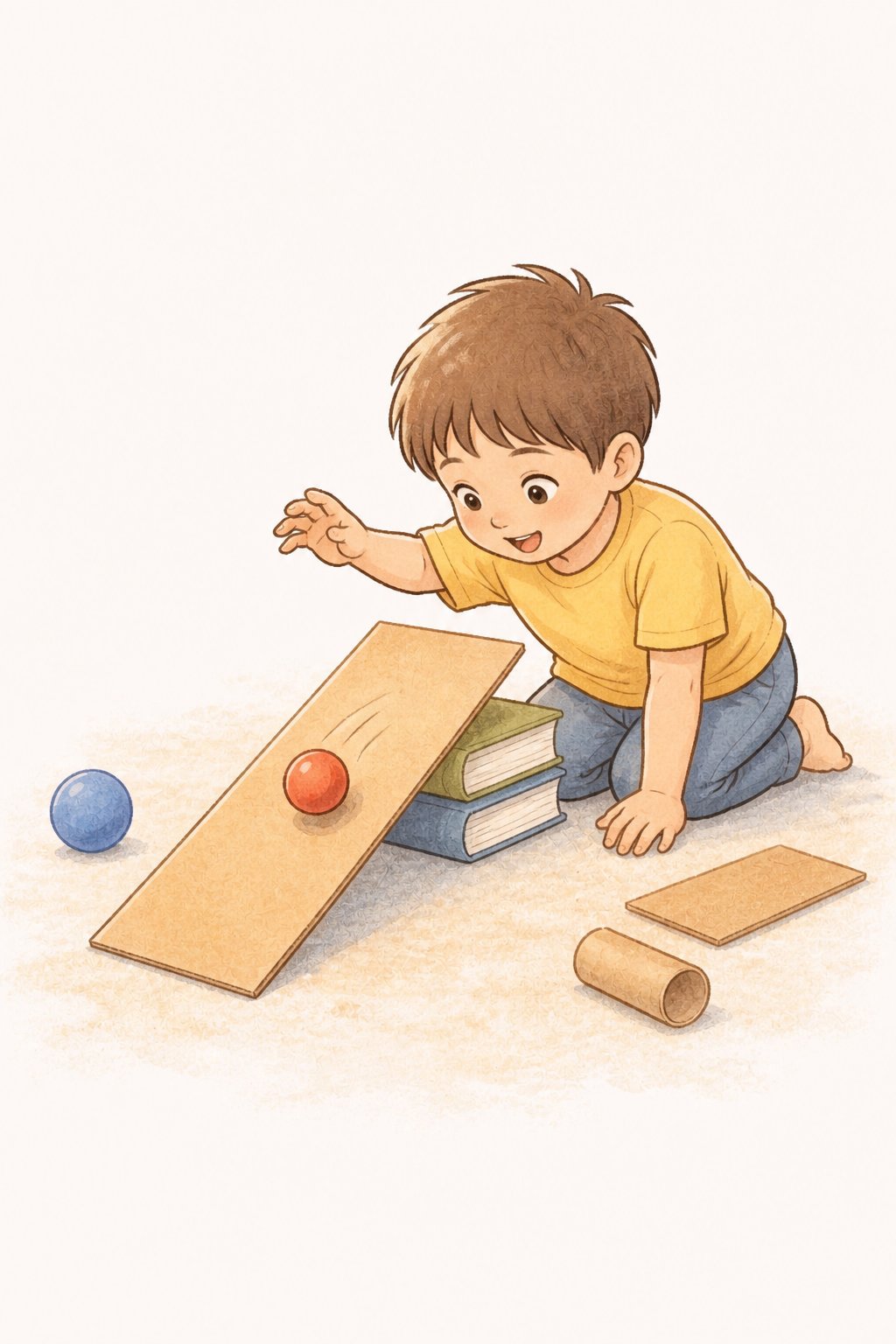
A child adjusts a slope, watches what happens, and changes the design before anyone names it iteration.
Learning Is Iterative
Read the full story →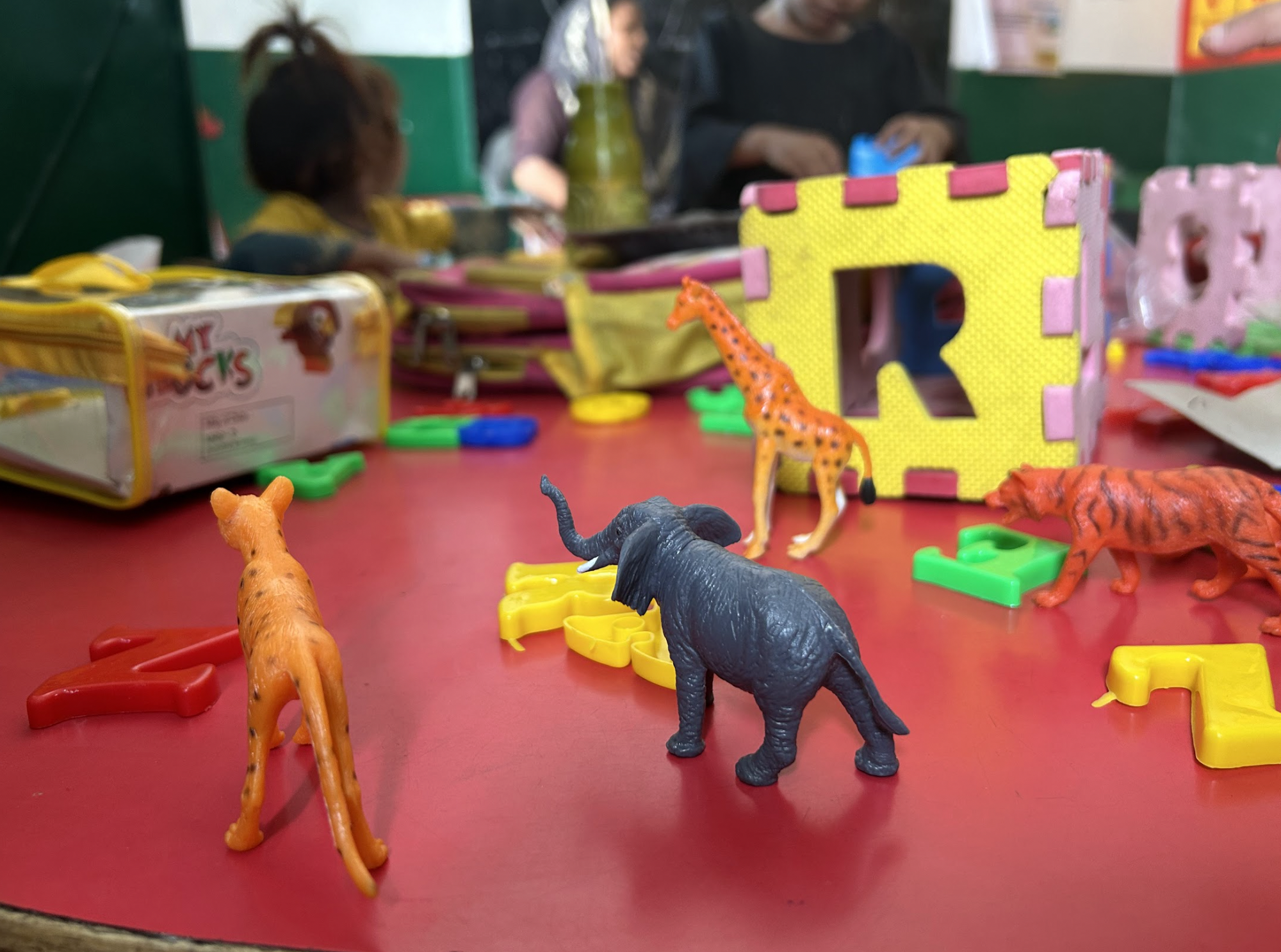
When letters become food, reading enters the world of pretend play.
Play Carries Intention
Read the full story →Leaves in Pocket is our writing space, where these observations become essays, stories, and learning insights.
When we design learning experiences with more care, we make room for children to remain children - curious, playful, observant, and fully alive.
Start a conversation

Vibha spends time in early childhood spaces watching — hands reaching for objects, bodies moving through routines, conversations unfolding between children. Her work brings ethnographic attention to the small moments adults often miss.
LinkedIn
Aastha works in learning design and technology, asking what childhood observations mean for how we build learning products, systems, and environments. She brings these insights into conversation with educators and designers.
LinkedIn