Learning Is Iterative, Not Linear
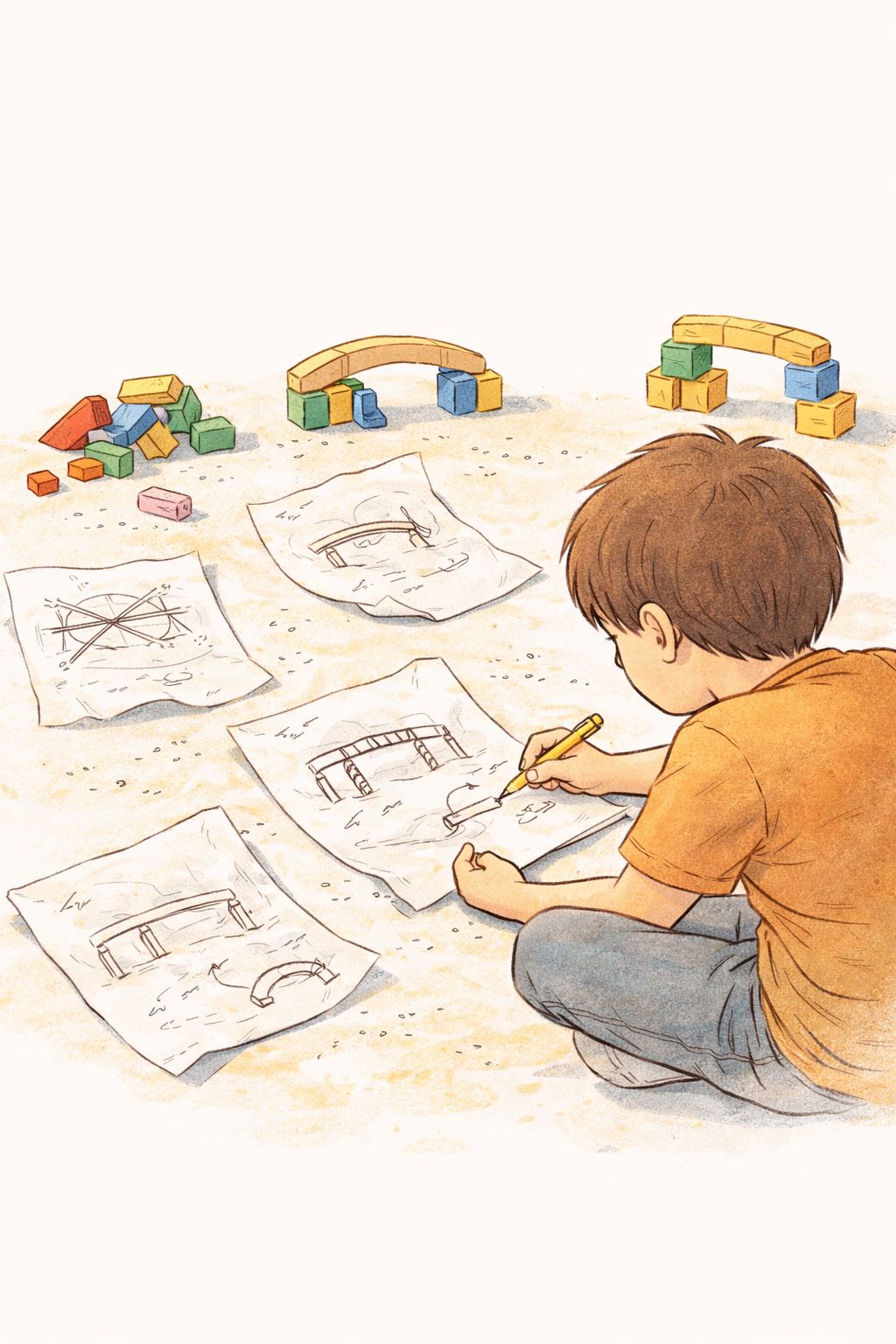
Much of formal education is organized around the idea that learning should move forward in a clear and orderly sequence. This makes teaching manageable for adults: lessons can be planned, time can be allocated, and progress can be measured. Yet learning itself rarely unfolds in such straight lines.
Across domains, understanding is built through return, repetition, pause, error, refinement, and revisiting. Learners often need to circle back to an idea, a skill, or a question many times before they truly understand it. What appears from the outside as delay, repetition, or deviation may in fact be part of how learning deepens.
However when learning is held inside rigid structures and governed by lack of time (or speed), learners are often unable to use this slower, iterative way of making meaning. They are pushed to move ahead before understanding has formed, and so they fall back on rote memory as a way to cope - trying to retain what they have not had the time to truly grasp. To expect learning to move neatly in a straight line is often to mistake the needs of the system for the nature of learning itself.
[Story placeholder - Add observational vignette here]