Learning Happens When the Learner Is in a Playful State
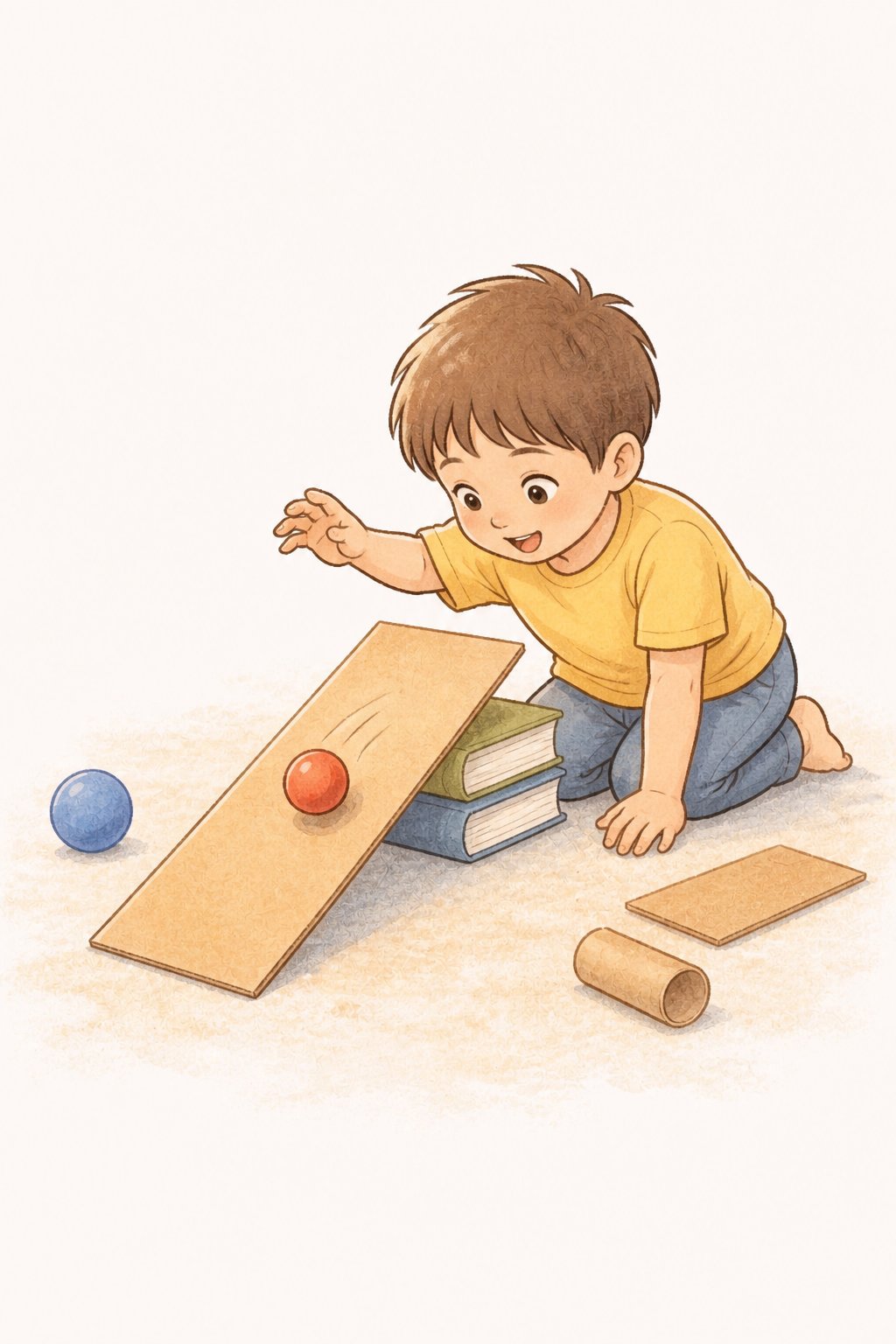
As we grow older, there is a tendency to relegate play to the background, as something un-serious and for children alone. Yet, what we've learned by observing children is that play is serious. When the learner is in a playful state of mind, or in the 'state of play', attention is voluntary, curiosity drives action, and the learner becomes deeply absorbed in the task at hand.
This allows for learning to feel meaningful, enabling deeper cognitive processing, encoding and long-term memory formation rather than fleeting, surface-level retention.
Research in developmental psychology suggests that play is not defined by the activity itself but by the mental attitude of the participant. As psychologist Peter Gray puts it, while two people might perform the same task of throwing a ball, building something, or typing on a computer, yet only one of them may actually be playing. Contrary to our assumptions therefore, play isn't merely a frivolous 'activity'. It is a pre-requisite psychological condition that makes genuine learning possible for children and adults alike.
[Story placeholder - Add observational vignette here]